
What Is Hyperbaric Oxygen Therapy Certification?

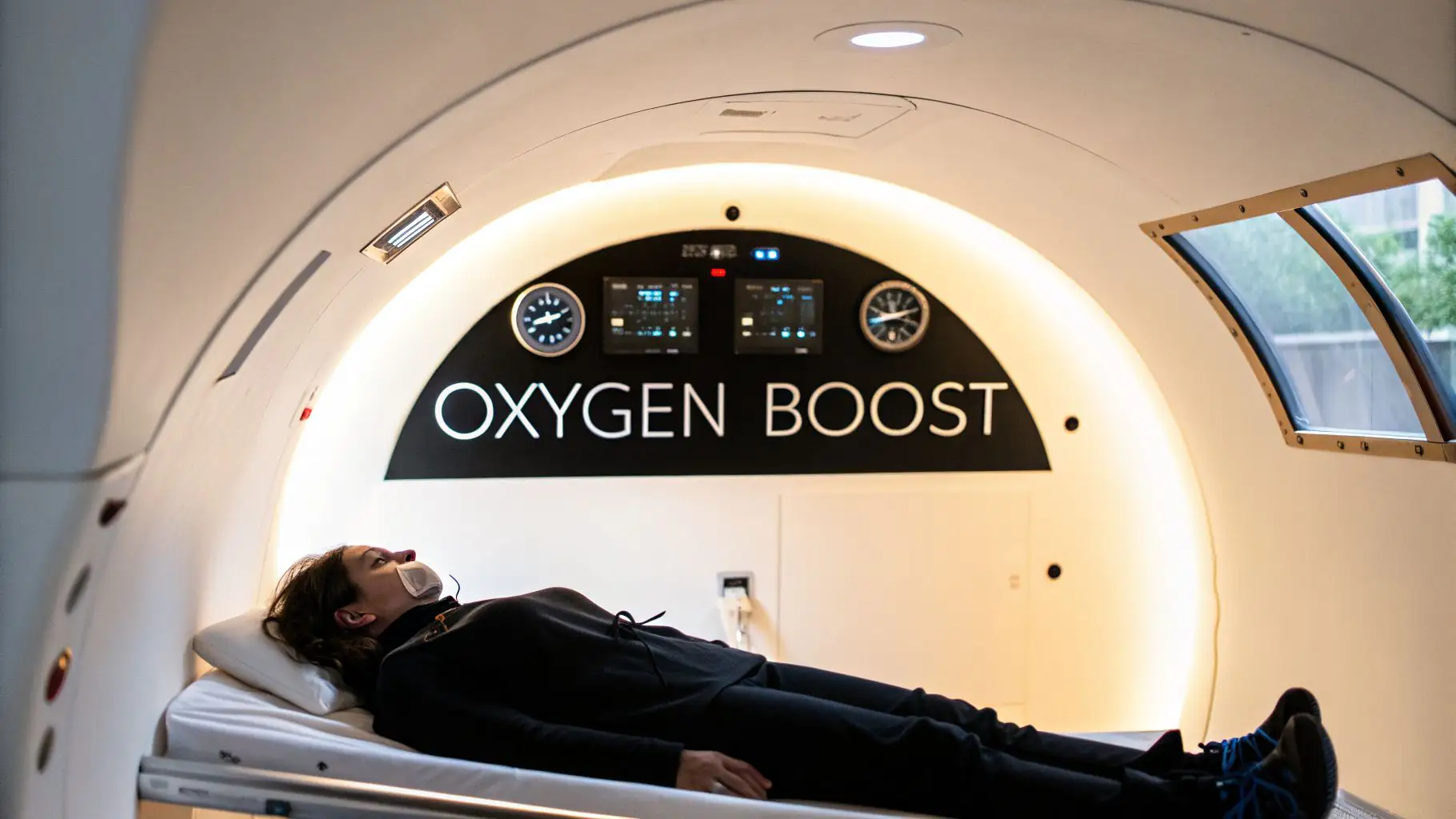
Hyperbaric oxygen therapy certification refers to specialized education and professional training that helps healthcare and hyperbaric professionals understand how to operate, monitor, and support hyperbaric oxygen therapy (HBOT) safely. During HBOT, a person breathes oxygen in a pressurized environment. The increased pressure allows the body to absorb more oxygen and supports several medical treatment protocols.
Certification programs help professionals develop practical knowledge about hyperbaric chambers, patient preparation, treatment procedures, safety protocols, emergency response, and equipment operation. The exact requirements vary depending on the professional role, training provider, healthcare facility, and applicable regulations.
For anyone planning to work in a hyperbaric facility, formal education can provide an important foundation for safe and consistent patient care.
Why Is Hyperbaric Oxygen Therapy Certification Important?
Working around a hyperbaric chamber requires more than basic knowledge of oxygen therapy. Professionals must understand pressure changes, oxygen-related risks, chamber procedures, patient monitoring, and emergency protocols.
A structured certification program can help professionals:
- Understand the fundamentals of hyperbaric medicine.
- Learn proper chamber operating procedures.
- Recognize potential treatment complications.
- Follow oxygen and fire-safety practices.
- Prepare patients before treatment.
- Monitor patients during sessions.
- Respond appropriately to emergencies.
- Maintain accurate treatment documentation.
- Communicate effectively with physicians and other healthcare professionals.
Proper training can also improve confidence. When technicians understand how equipment works and how to respond to unexpected situations, they can perform their responsibilities more effectively.
What Do Hyperbaric Training Programs Teach?
Most comprehensive programs cover both theoretical and practical aspects of hyperbaric therapy. The curriculum can differ between providers, so students should review the course syllabus before enrolling.
Common topics include:
What Are the Fundamentals of Hyperbaric Medicine?
Students learn how pressure affects the human body and how breathing oxygen under increased atmospheric pressure changes oxygen delivery. They may also study gas laws, pressure-related effects, treatment terminology, and basic hyperbaric physiology.
This foundation helps professionals understand why specific treatment procedures require careful control of pressure, oxygen exposure, and treatment duration.
How Do Hyperbaric Chambers Work?
Training introduces different chamber designs and their major components. Depending on the course, students may learn about monoplace and multiplace chambers, oxygen delivery systems, pressure controls, communication systems, monitoring equipment, and emergency features.
Understanding the equipment allows technicians to identify operational issues and follow appropriate procedures.
What Safety Procedures Should Technicians Follow?
Safety represents one of the most important parts of hyperbaric education. Oxygen-rich environments require strict precautions because oxygen supports combustion.
Training may address:
- Fire prevention.
- Equipment inspection.
- Appropriate chamber materials.
- Static electricity precautions.
- Oxygen-handling procedures.
- Patient screening.
- Emergency protocols.
- Chamber maintenance.
- Safe treatment-room practices.
Following established safety procedures helps reduce avoidable risks.
Who Should Consider Hyperbaric Oxygen Therapy Certification?
Certification and professional training can benefit people who work directly or indirectly with hyperbaric services. Depending on the program, suitable participants may include nurses, physicians, respiratory professionals, emergency personnel, technicians, and other healthcare workers.
Some individuals may also pursue specialized education before seeking employment in a hyperbaric facility. However, completing a course does not automatically replace professional licensure, clinical qualifications, facility-specific orientation, or local regulatory requirements.
Before choosing a program, prospective students should confirm whether the training matches their professional role and career goals.
How Do Hyperbaric Chamber Training Courses Support Career Development?
Hyperbaric chamber training courses can provide practical knowledge that complements a healthcare professional’s existing qualifications. Instead of focusing only on theory, strong programs explain how professionals interact with chamber systems and patients during treatment.
Coursework may include patient preparation, chamber operation, treatment monitoring, communication procedures, troubleshooting, and emergency response.
This combination of technical and patient-care knowledge can make training valuable for professionals who want to expand their expertise in hyperbaric services.
What Should You Look for in Hyperbaric Training Courses?
Not every training program offers the same level of education. Before enrolling, compare the curriculum, instructors, practical components, certification requirements, and continuing education options.
Consider these factors:
Qualified instructors: Look for educators with relevant hyperbaric and clinical experience.
Comprehensive curriculum: The course should cover chamber operation, patient care, safety, physiology, and emergency procedures.
Practical learning: Hands-on experience can help students connect theoretical concepts with real-world procedures.
Current safety guidance: Training should emphasize recognized safety practices and appropriate professional standards.
Assessment: Exams, practical evaluations, or other assessments can help verify understanding.
Professional relevance: Choose a program that fits your existing qualifications and intended role.
Taking time to compare programs can help you avoid training that does not meet your professional needs.
Is Online Hyperbaric Training Effective?
Online education can provide a convenient way to study hyperbaric principles, terminology, safety concepts, and theoretical material. It can work particularly well for professionals who have demanding schedules or limited access to local training.
However, online education may not provide the same practical experience as hands-on instruction. Chamber operation involves physical equipment, workplace procedures, patient interaction, and emergency protocols that may require supervised practical training.
For this reason, learners should determine whether a course offers practical components, supervised experience, or additional training requirements.
How Does Certification Differ From Hyperbaric Training?
The terms training and certification often appear together, but they do not always mean the same thing.
Training refers to the education and instruction a person receives. Certification generally indicates that an individual has completed specific educational or assessment requirements established by a particular organization or program.
A certificate from a training provider should not automatically be interpreted as a government-issued professional license or authorization to practice medicine. Professionals should verify what a credential actually represents before using it for employment or professional claims.
How Can You Prepare for Hyperbaric Certification?
Preparation starts with understanding the fundamentals of healthcare, patient safety, and hyperbaric therapy. Reviewing the course requirements before enrollment can also help you identify areas that need additional study.
You can prepare by:
- Reviewing basic anatomy and physiology.
- Learning fundamental oxygen and pressure concepts.
- Understanding common hyperbaric terminology.
- Studying oxygen and fire-safety principles.
- Reviewing patient monitoring practices.
- Becoming familiar with emergency procedures.
- Practicing careful documentation.
- Asking the training provider about practical requirements.
Consistent study becomes especially important when a program includes examinations or practical assessments.
How Can Hyperbaric Business Solutions Help With Professional Training?
Choosing suitable education requires careful consideration of your career objectives, current qualifications, and desired responsibilities. Hyperbaric Business Solutions can be a useful point of reference for individuals exploring education and professional development within the hyperbaric field.
Learners should always evaluate course content, instructor qualifications, practical opportunities, and credential recognition before making a decision.
What Career Opportunities Can Follow Hyperbaric Training?
Professionals with appropriate qualifications and training may pursue roles associated with hyperbaric facilities, hospitals, specialty clinics, wellness organizations, or other settings where hyperbaric services operate.
Potential responsibilities can include chamber operation, patient preparation, treatment monitoring, equipment support, documentation, and safety management. The specific duties depend on a person’s underlying healthcare credentials, employer requirements, and applicable regulations.
Continued education can also help professionals stay familiar with evolving equipment, safety practices, and clinical procedures.
Why Should You Choose the Right Hyperbaric Education Program?
The quality of training can directly influence how well a professional understands hyperbaric procedures and safety responsibilities. A well-structured program should combine clear instruction, relevant technical information, practical learning where appropriate, and meaningful assessment.
Hyperbaric Business Solutions emphasizes the importance of informed professional development for people interested in the hyperbaric industry. Before selecting a program, compare providers carefully and confirm that the credential aligns with your intended role.
What Is the Main Value of Hyperbaric Oxygen Therapy Certification?
Ultimately, hyperbaric oxygen therapy certification can provide structured education for professionals who want to understand hyperbaric treatment and chamber operations. It can strengthen knowledge of patient care, equipment, safety, and emergency procedures while supporting continued professional development.
At the same time, certification should be viewed as part of a broader professional pathway rather than a substitute for clinical licensure or required healthcare qualifications.
For anyone considering hyperbaric chamber training courses, the best approach is to choose education that combines strong theoretical knowledge with appropriate practical experience and safety-focused instruction. With the right preparation, professionals can build a stronger foundation for responsible work in the growing field of hyperbaric therapy.