
What Should Parents Know About Palate Expander Before and After Results?
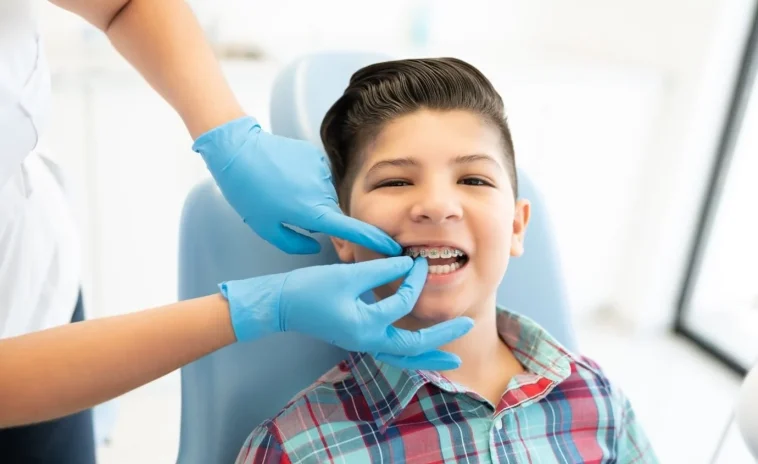
A palate expander is an orthodontic appliance that gradually widens the upper jaw. Orthodontists often recommend this treatment for children whose upper jaw is too narrow compared with the lower jaw. A narrow palate can contribute to crowding, crossbite, difficulty creating enough space for permanent teeth, and certain bite problems.
Parents may feel concerned when they first hear about an expander. However, orthodontists commonly use these appliances during childhood because the upper jaw is still developing. Treatment during the growing years can allow the orthodontist to guide jaw development and create better conditions for the permanent teeth.
Understanding palate expander before and after changes can help parents know what to expect throughout treatment. Every child responds differently, so the orthodontist should evaluate the child’s jaw growth, tooth development, bite, and overall orthodontic needs before recommending an expander.
What Can Parents Expect Before Palate Expander Treatment?
Before treatment begins, the orthodontist performs a detailed examination. This assessment may include digital scans, photographs, X-rays, and bite measurements. These records help the orthodontist understand the current position of the teeth and the shape and width of the upper jaw.
The orthodontist will also explain how the appliance works and how long the child may need to wear it. Parents should use this appointment to ask questions about activation, cleaning, eating, speech changes, and follow-up visits.
Before treatment, some children may have visible signs of a narrow upper jaw. These can include a crossbite, dental crowding, or limited space for permanent teeth. Not every child with these characteristics requires an expander, which is why an individualized orthodontic evaluation matters.
How Does a Palate Expander Work?
A palate expander applies gentle, controlled pressure to widen the upper dental arch. Depending on the child’s age and specific orthodontic needs, the orthodontist may choose a particular type of expander.
For younger patients, treatment can take advantage of ongoing jaw development. The appliance gradually encourages expansion according to the treatment plan. Parents should follow the orthodontist’s instructions carefully rather than adjusting the appliance independently.
The child may experience pressure or mild soreness after an adjustment. These sensations usually occur because the appliance is applying pressure to the teeth and surrounding structures. Parents should contact the orthodontic office if their child experiences significant pain, appliance damage, or another unexpected problem.
What Does Palate Expander Before and After Treatment Usually Look Like?
The most noticeable palate expander before and after difference often involves the width of the upper dental arch and the relationship between the upper and lower teeth. A child who begins treatment with a narrow upper arch may develop a broader arch after expansion.
Parents may also notice improved alignment and more space for developing permanent teeth. In some cases, expansion helps correct a posterior crossbite by improving the relationship between the upper and lower jaws.
Another change may occur when a space develops between the two upper front teeth during expansion. This gap can look surprising to parents, but it may occur as the upper jaw expands. The orthodontist monitors this development and explains what it means for the overall treatment plan.
The appearance of the teeth can continue changing after active expansion ends. Other orthodontic treatment may follow to align the teeth and refine the bite.
How Long Does a Child Wear a Palate Expander?
Treatment time varies from one child to another. The active expansion phase may last several months, while the overall period of appliance use can be longer because the orthodontist may need to maintain the expansion.
The orthodontist determines the schedule based on the child’s growth, treatment goals, response to expansion, and type of appliance. Parents should attend scheduled appointments so the orthodontist can monitor progress and make adjustments when necessary.
Once the desired expansion occurs, the orthodontist may keep the appliance in place for a period of stabilization. This phase gives the surrounding structures time to adapt and helps support the treatment result.
What Changes Can Parents Notice After Expansion?
After expansion, parents may notice several improvements. The upper arch may appear wider, and the bite may fit together more effectively. Crowding can also appear less severe when additional space becomes available.
However, parents should not judge treatment success solely by looking at photographs. Orthodontic results involve the relationship between the jaws, teeth, bite, and facial development. The orthodontist uses clinical measurements and imaging when appropriate to evaluate progress.
The final result may also depend on additional orthodontic treatment. Some children may eventually need braces or clear aligners to position individual teeth precisely after expansion.
Can a Palate Expander Affect Speech or Eating?
Children can experience temporary changes in speech after receiving an expander. The tongue needs time to adapt to the appliance, so certain sounds may initially feel different. Most children gradually adjust as they become familiar with the appliance.
Eating can also feel unusual during the first few days. Sticky or very hard foods may create problems, depending on the appliance. Parents should follow the orthodontist’s dietary recommendations and encourage their child to maintain good oral hygiene.
With patience and practice, many children become comfortable with the appliance as treatment progresses.
How Should Parents Care for a Palate Expander?
Good oral hygiene remains essential throughout expansion treatment. Food can collect around the appliance, so children should carefully clean around the teeth and expander every day.
Parents can help younger children brush difficult-to-reach areas. The orthodontist may recommend specific brushing techniques or cleaning tools based on the appliance.
Children should also avoid foods that could bend, loosen, or damage the expander. If the appliance becomes loose or broken, parents should contact the orthodontic office rather than attempting to repair it at home.
When Should Parents Consider an Orthodontic Evaluation?
Parents do not need to wait until all permanent teeth erupt before seeking an orthodontic evaluation. An early assessment can help identify jaw-development concerns, crossbites, crowding, and other issues that may benefit from timely treatment.
An orthodontist can determine whether expansion makes sense now or whether monitoring would be more appropriate. Early evaluation does not always mean immediate treatment. Instead, it gives families a clearer understanding of their child’s dental development.
How Can Parents Prepare Children for Palate Expander Treatment?
Parents can make the experience easier by explaining the process positively and honestly. Tell your child that the orthodontist will place an appliance to help create a healthier relationship between the upper and lower teeth.
Avoid making the procedure sound frightening. Instead, explain that the child may notice pressure or a strange feeling at first and that these sensations usually become easier to manage with time.
Parents should also encourage children to follow cleaning instructions, attend appointments, and tell an adult when something feels unusual.
Can Invisalign Miami Be Part of a Child’s Overall Orthodontic Plan?
For some patients, expansion represents one stage of comprehensive orthodontic care. Once the upper jaw reaches an appropriate width, the orthodontist may determine whether additional alignment treatment is necessary.
Depending on age, dental development, treatment goals, and clinical suitability, clear aligner treatment may become an option. Families researching Invisalign Miami should understand that Invisalign is not automatically appropriate for every child. An orthodontist needs to assess the patient’s teeth, bite, growth, and ability to follow treatment instructions.
Ivanov Orthodontic Experts can help families understand how expansion and other orthodontic options may fit into an individualized treatment plan.
What Should Parents Remember About Palate Expander Before and After Results?
The palate expander before and after journey can involve meaningful changes in the upper jaw, dental arch, bite, and available space for developing teeth. Parents should remember that photographs show only part of the treatment story. The orthodontist evaluates the entire bite and monitors development throughout the process.
Results also depend on factors such as the child’s age, growth pattern, starting condition, treatment plan, appliance type, and cooperation with instructions. Maintaining appointments and practicing proper oral hygiene can support a smooth treatment experience.
If your child may benefit from expansion or you are exploring Invisalign Miami as part of future orthodontic care, a professional evaluation can provide personalized guidance. Ivanov Orthodontic Experts can assess your child’s orthodontic needs and explain what parents can realistically expect before, during, and after treatment.