

What Should You Look for in a Quality HBOT Certification Course?
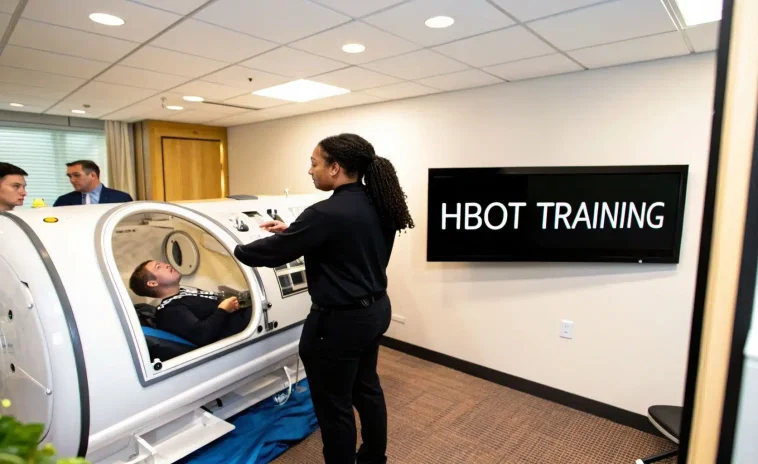
A quality HBOT certification course can help healthcare professionals build the knowledge and practical skills needed to work safely with hyperbaric oxygen therapy. Hyperbaric oxygen therapy (HBOT) involves placing a patient inside a pressurized chamber while they breathe oxygen under controlled conditions. Because the treatment requires specialized equipment, safety procedures, patient monitoring, and clinical awareness, proper education matters.
Healthcare professionals should look beyond a course title or certificate. A strong program should provide structured education, qualified instruction, practical learning, and clear information about safety. The right training can help learners understand the principles behind HBOT and apply those principles responsibly in a clinical environment.
What Topics Should a Quality HBOT Certification Course Cover?
A comprehensive HBOT certification course should cover the fundamental concepts of hyperbaric medicine. Students should learn how increased atmospheric pressure affects the body and how breathing oxygen at elevated pressure produces therapeutic effects.
A well-structured curriculum may include topics such as:
- Basic principles of hyperbaric medicine
- Gas laws and pressure relationships
- Oxygen physiology
- Hyperbaric chamber operations
- Patient screening and preparation
- Treatment protocols
- Monitoring procedures
- Emergency response
- Fire prevention and oxygen safety
- Infection control
- Equipment maintenance
- Documentation and communication
The curriculum should balance theoretical knowledge with practical application. This approach helps learners understand not only what to do, but also why each procedure matters.
How Important Is Safety Training in Hyperbaric Education?
Safety should remain one of the most important parts of any hyperbaric training program. HBOT environments involve increased pressure and high concentrations of oxygen, which require careful attention to established safety procedures.
A quality program should teach students how to identify potential hazards and follow appropriate safety protocols. Training should address patient screening, chamber preparation, fire prevention, equipment checks, communication procedures, and emergency response.
Students should also learn how to recognize situations that may require treatment modification, interruption, or medical intervention. Strong safety education gives professionals a structured approach to managing routine treatments and unexpected situations.
Should an HBOT Course Include Practical Training?
Yes, practical education can add significant value to an HBOT certification course. Reading about chamber operation provides foundational knowledge, but hands-on learning can help students understand how procedures work in real-world settings.
Practical sessions may introduce learners to chamber controls, patient positioning, pre-treatment checks, communication systems, monitoring equipment, and emergency procedures. Depending on the program, students may also participate in demonstrations or supervised simulations.
When evaluating a course, ask how much practical training it provides and whether instructors offer opportunities to practice essential procedures. A program that combines classroom instruction with practical experience can create a more complete learning experience.
What Qualifications Should Hyperbaric Instructors Have?
The quality of instruction can directly affect the learning experience. Prospective students should review the instructors’ professional backgrounds before enrolling.
Look for educators who have relevant experience in hyperbaric medicine, healthcare, chamber operations, patient safety, or related disciplines. Experienced instructors can explain technical concepts clearly and connect classroom theory to clinical situations.
Students should also have opportunities to ask questions and receive guidance throughout the course. Clear instruction becomes especially important when learning technical subjects such as pressure management, oxygen safety, patient monitoring, and emergency procedures.
Does the Course Explain Hyperbaric Oxygen Chamber Treatment Clearly?
A good program should provide a clear understanding of hyperbaric oxygen chamber treatment. Students need to understand how a hyperbaric chamber works, how pressure changes occur, and how healthcare teams manage patients throughout a session.
Training should explain the different stages of a treatment, including patient preparation, chamber pressurization, treatment monitoring, decompression, and post-treatment procedures.
Students should also learn the importance of communication between patients and staff. Effective communication helps professionals identify discomfort or unexpected symptoms during treatment and respond appropriately.
Should You Check the Course Certification and Recognition?
Before enrolling, students should carefully examine what the certification represents. Not every certificate has the same educational scope, professional recognition, or industry relevance.
Review the organization providing the certification and determine whether the program follows established educational or professional standards. Students should also check whether employers, professional organizations, or relevant facilities recognize the credential for the intended role.
It is important to distinguish between completing an educational course and meeting the legal or professional requirements for a specific healthcare position. A certificate may demonstrate training without automatically granting permission to perform every clinical responsibility.
How Does Equipment Training Improve Your Learning Experience?
Equipment knowledge plays an important role in hyperbaric education. Healthcare professionals should understand the basic operation and safety features of the chambers they may encounter in their work.
A strong course should introduce students to common chamber components, operating controls, communication systems, monitoring equipment, and safety mechanisms. Training should also explain routine checks and the importance of following manufacturer and facility procedures.
Learning about equipment can improve confidence while reinforcing the importance of careful operation. Professionals should never rely solely on classroom knowledge when operating unfamiliar equipment; they should follow approved procedures and receive facility-specific training.
What Should You Know About Emergency Preparedness?
Emergency preparedness deserves particular attention when selecting an HBOT certification course. A quality program should teach students how to respond to potential problems in a controlled and systematic way.
Training may cover emergency communication, treatment interruption, patient evacuation procedures, equipment problems, oxygen-related hazards, and other safety scenarios. Simulations can help learners understand how teams coordinate during an emergency.
The goal is not simply to memorize procedures. Students should develop an understanding of why emergency protocols exist and how to follow their facility’s established policies.
How Can You Evaluate the Course Curriculum Before Enrolling?
Start by reviewing the complete course outline. Avoid choosing a program based only on marketing claims or the promise of a certificate.
Check whether the curriculum includes both foundational science and practical topics. Look for information about course duration, learning materials, instructor qualifications, practical sessions, assessments, and continuing education opportunities.
You can also ask whether the program updates its content when professional standards, equipment, or safety practices change. Current educational material can help learners maintain relevant knowledge.
What Role Does Assessment Play in HBOT Training?
Assessment helps determine whether students understand the material. A quality program may use quizzes, written examinations, practical assessments, case-based exercises, or other evaluation methods.
Assessments should cover important areas such as chamber operation, patient preparation, safety, oxygen management, and emergency procedures. Practical assessments can be particularly useful because they allow instructors to evaluate how students apply knowledge.
A meaningful assessment process gives students a reason to review important concepts rather than simply completing lessons and receiving a certificate.
How Can Hyperbaric Business Solutions Support Professional Learning?
Choosing professional education requires careful consideration of course quality, curriculum, safety instruction, and practical preparation. Hyperbaric Business Solutions can serve as a resource for professionals exploring hyperbaric education and related opportunities.
Learners should approach training with a commitment to continuous education. Hyperbaric medicine involves specialized practices, and professionals should continue developing their knowledge after completing an initial course.
What Should You Consider Before Enrolling?
Before selecting an HBOT certification course, create a simple checklist. Confirm the course curriculum, instructor qualifications, practical training opportunities, assessment process, certification details, and safety content.
You should also consider whether the program matches your professional goals. A healthcare professional seeking foundational knowledge may have different educational needs from someone preparing for a role that involves regular chamber operations.
Ask questions before paying for enrollment. Reputable education providers should be able to explain what the course covers, who teaches it, how students are assessed, and what the certificate represents.
How Can Quality Training Prepare You for Hyperbaric Practice?
A well-designed HBOT certification course can provide a structured foundation for understanding hyperbaric oxygen therapy. It can introduce the science behind treatment, equipment operation, patient preparation, safety procedures, and emergency response.
However, education should complement—not replace—facility-specific orientation, professional credentials, clinical supervision, and applicable regulations. Healthcare professionals should always work within their scope of practice and follow established clinical policies.
For professionals exploring hyperbaric oxygen chamber treatment, choosing education carefully can make the learning process more organized and meaningful. Hyperbaric Business Solutions can be part of that professional learning journey by helping individuals explore hyperbaric-related education and resources.
Ultimately, focus on the quality of the curriculum rather than the certificate alone. Look for comprehensive instruction, qualified educators, practical learning, strong safety training, meaningful assessments, and relevant professional recognition. These factors can help you select training that supports responsible and informed participation in hyperbaric care.