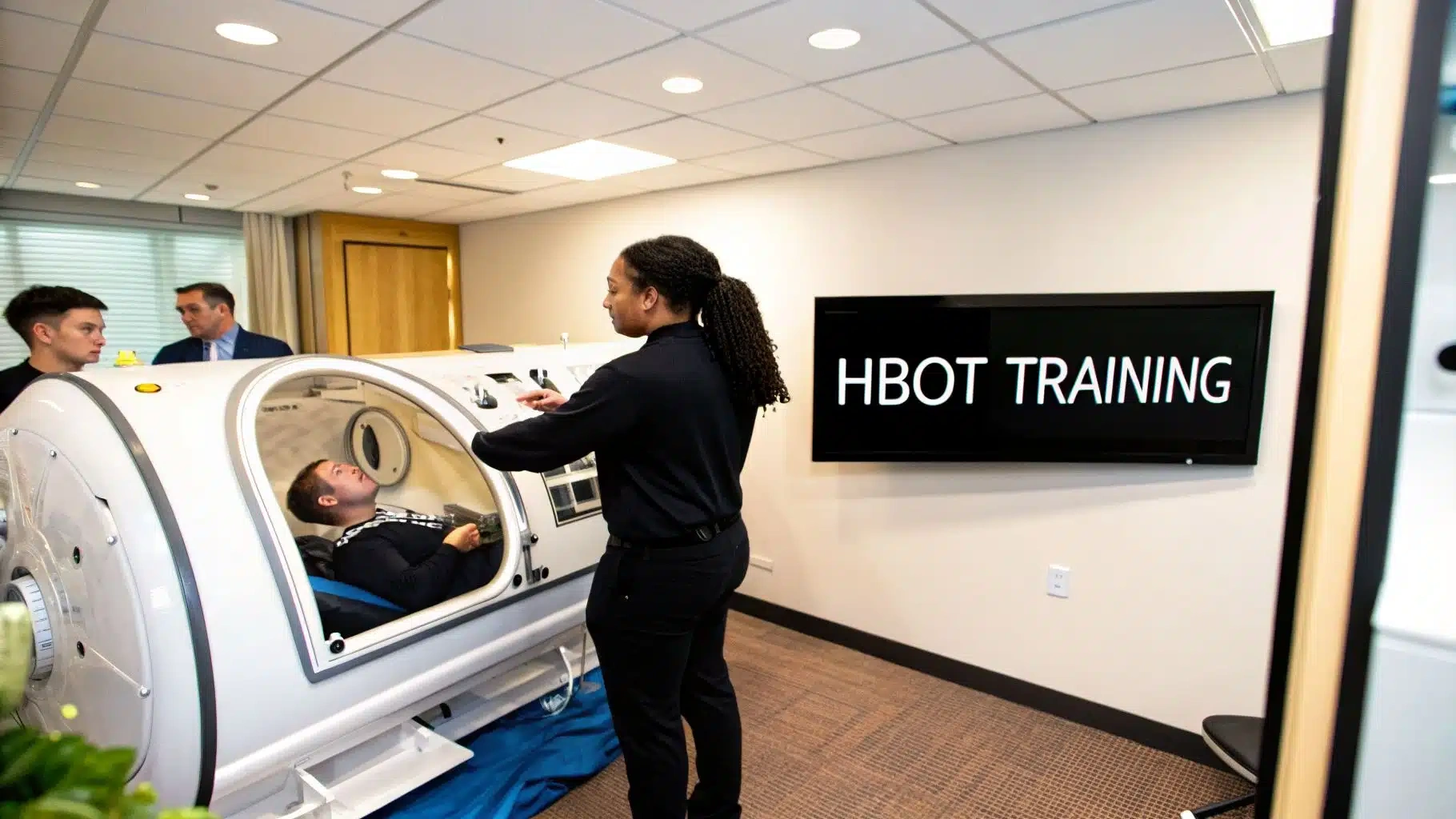

How Do You Choose the Best Hyperbaric Certification Courses?

Choosing the right training program can help you build the knowledge and practical skills needed to work in hyperbaric oxygen therapy. As healthcare facilities and wellness centers explore hyperbaric services, trained professionals play an important role in maintaining patient safety, operating equipment, and following established treatment protocols. However, not every training program offers the same quality of education or professional value.
The best hyperbaric certification courses combine essential theory, practical knowledge, safety procedures, and clear learning objectives. Before enrolling, you should evaluate the course curriculum, instructor qualifications, certification requirements, and opportunities for hands-on learning. Understanding these factors will help you select a program that supports your professional goals.
What Should You Look for in Hyperbaric Certification Courses?
Start by reviewing the course curriculum. A reliable training program should explain the fundamentals of hyperbaric oxygen therapy, including how increased atmospheric pressure and oxygen exposure work during treatment. It should also introduce the different types of hyperbaric chambers and explain their basic operating principles.
Look for courses that cover the following topics:
- Fundamentals of hyperbaric oxygen therapy
- Hyperbaric chamber components and operation
- Patient preparation and monitoring
- Oxygen safety and fire prevention
- Emergency response procedures
- Infection prevention and equipment maintenance
- Treatment protocols and clinical documentation
A well-organized curriculum helps you understand both the science behind hyperbaric therapy and the responsibilities involved in supporting treatment sessions.
At Hyperbaric Business Solutions, professionals can explore educational opportunities that help them understand the knowledge and operational considerations associated with hyperbaric services. Always review the specific course syllabus before making an enrollment decision.
Why Is HBOT Technician Certification Important?
An HBOT technician certification can demonstrate that you have completed a defined training program and developed knowledge relevant to hyperbaric therapy operations. It may also help employers assess your preparation for certain responsibilities within a hyperbaric facility.
Hyperbaric technicians may assist with equipment preparation, patient communication, chamber monitoring, and treatment documentation, depending on their training and workplace responsibilities. They must understand safety procedures and recognize when they need to alert a qualified clinician or supervisor.
Certification can support professional development, but you should understand its limitations. A certificate does not automatically authorize someone to diagnose medical conditions, prescribe treatments, or perform duties that require a professional license. Requirements vary by location, employer, facility, and role.
Before choosing a course, confirm what the certificate represents, which organization issues it, and whether employers or relevant professional bodies recognize the credential.
How Can You Evaluate the Course Curriculum?
A strong curriculum should offer more than a basic introduction to hyperbaric oxygen therapy. It should help learners understand the principles, procedures, and safety considerations that influence everyday operations.
Check whether the course explains how clinicians select appropriate patients, assess potential risks, and monitor treatment sessions. Learners should also understand common contraindications and why certain medical conditions require careful evaluation before treatment.
The curriculum should explain how pressure changes affect the body, why oxygen safety matters, and how staff should respond to equipment concerns. It should also cover patient communication, documentation, and facility procedures.
Compare the syllabuses of several hyperbaric certification courses before choosing one. A detailed syllabus allows you to identify gaps, compare learning outcomes, and determine whether the program matches your career objectives.
Avoid programs that make exaggerated claims about treatment outcomes or promise that hyperbaric oxygen therapy can cure a wide range of unrelated conditions. Responsible training should reflect established clinical guidance and recognize the limitations of available evidence.
Should You Choose Online or In-Person Hyperbaric Training?
Your preferred learning format should depend on your schedule, previous experience, and professional goals. Online programs offer flexibility because you can study course materials without attending every session in person. They may suit healthcare professionals, facility managers, and beginners who want to understand the fundamentals before pursuing practical instruction.
Online training can cover chamber principles, oxygen safety, treatment documentation, patient preparation, and emergency procedures through lessons, presentations, and assessments.
However, online education alone may not provide sufficient experience for roles that require practical chamber operation or direct patient support. In-person instruction can offer supervised demonstrations, equipment familiarization, and opportunities to practise approved procedures.
A blended program may combine the convenience of online learning with practical sessions. Before enrolling, ask whether the course includes hands-on training, how instructors assess practical competence, and whether you must complete additional supervised training before performing specific duties.
Choose the format that provides the right balance of flexibility, knowledge, and practical preparation.
How Do You Check the Instructor’s Qualifications?
Instructor experience can significantly influence the quality of a training program. Look for educators who understand hyperbaric medicine, chamber operations, patient safety, or other relevant areas of professional practice.
Review their qualifications, professional background, teaching experience, and involvement in hyperbaric services. A credible provider should explain who teaches the course and what makes those instructors qualified to deliver the material.
You should also consider whether the instructors update their lessons when clinical recommendations, safety standards, or equipment requirements change.
Ask whether students can contact instructors with questions and receive feedback on assessments. Access to knowledgeable educators can help you clarify difficult concepts and understand how to apply theoretical information responsibly.
A course that provides transparent instructor information gives you a better basis for evaluating its educational quality.
What Safety Topics Should a Quality Course Include?
Safety should remain a central part of every hyperbaric training program. Hyperbaric environments involve increased pressure and oxygen-related hazards, so staff must understand facility procedures and follow approved operating instructions.
Look for training that explains fire prevention, prohibited materials, equipment inspections, emergency communication, and appropriate patient preparation. The course should also address pressure-related risks, patient monitoring, and the importance of following established treatment protocols.
Students should learn to recognize potential problems and report them promptly rather than attempting tasks outside their competence.
Emergency training should explain the responsibilities of each team member and the procedures established by the facility. Practical exercises can help learners understand how to respond appropriately under supervision.
Quality education also emphasizes that technicians must follow manufacturer instructions, applicable safety standards, and facility policies. These lessons help create a safer environment for patients, clinicians, and other staff members.
How Can You Compare Course Fees and Certification Value?
Course fees should not be your only deciding factor. A low-cost program may provide limited instruction, while a more expensive course may include additional resources, instructor support, assessments, or practical training.
Compare the total cost of each program and identify what the fee covers. Check whether the provider charges extra for examinations, learning materials, practical sessions, certificate issuance, or renewal.
You should also investigate the certificate’s recognition and relevance to your intended role. Ask whether employers in your target market accept the credential and whether the course meets any applicable training requirements.
Read independent reviews when available, but evaluate them carefully. Look for specific comments about course content, teaching quality, student support, and the usefulness of the training.
The best investment is a program that offers transparent pricing, meaningful learning outcomes, appropriate assessments, and credible professional value.
What Questions Should You Ask Before Enrolling?
Before selecting an HBOT technician certification program, contact the training provider and clarify any remaining concerns.
Consider asking these questions:
- What topics does the course cover?
- Who developed the curriculum and teaches the lessons?
- Does the program include supervised practical training?
- What assessments must students complete?
- What does the certificate confirm?
- Are there prerequisites or renewal requirements?
- Does the training align with my intended job responsibilities?
- What additional qualifications might my employer require?
The answers can help you compare providers more confidently. A reputable organization should explain its training process, certification requirements, and limitations without making unrealistic promises about employment or professional authorization.
Hyperbaric Business Solutions encourages an informed approach to professional development, where learners evaluate educational quality, operational knowledge, and safety considerations before choosing a training pathway.
How Can You Make the Right Final Decision?
Choosing the best hyperbaric certification courses requires careful research and a clear understanding of your goals. Begin by identifying the role you want to pursue, then compare course content, instructor qualifications, practical training opportunities, safety education, and certification recognition.
Prioritize programs that teach responsible operating practices and explain the boundaries of a technician’s role. Check the provider’s credibility, review the total cost, and confirm whether the course meets your employer’s or jurisdiction’s requirements.
An HBOT technician certification may strengthen your professional development, but the right program should offer more than a certificate. It should help you build a solid understanding of hyperbaric oxygen therapy, equipment safety, patient support, and the importance of following established procedures.
By choosing a course carefully, you can develop relevant knowledge, prepare for further supervised training when necessary, and take a more informed step toward a career in hyperbaric services.