
How Can Retirement Village Builders Improve Senior Living?
Retirement should be a time to enjoy comfort, independence, and peace of mind. As people grow older, their housing needs change. They may need safer walkways, accessible bathrooms, comfortable living spaces, and easy access to healthcare and social activities. Well-designed retirement communities can meet these needs while helping older adults maintain an active lifestyle.
Retirement village builders play an important role in creating homes and communities that support seniors at every stage of later life. They combine thoughtful design, modern construction techniques, and practical facilities to improve everyday living. From independent retirement apartments to supportive residential communities, experienced builders create environments that prioritise safety, comfort, and wellbeing.
How Do Retirement Village Builders Create Safer Living Environments?
Safety is one of the most important considerations when designing homes for older adults. Reduced mobility, balance difficulties, and changes in vision can make everyday activities more challenging. Retirement village builders address these concerns by incorporating age-friendly features into their construction plans.
For example, they can install slip-resistant flooring, wider doorways, secure handrails, and step-free entrances. These features help residents move around their homes with greater confidence. Well-lit corridors, clear signage, and accessible communal areas also reduce the risk of accidents.
Bathrooms require particular attention because wet surfaces can increase the risk of falls. Builders can include walk-in showers, grab rails, accessible sinks, and carefully positioned fixtures to make personal care easier.
By considering these details from the beginning, builders create safer homes that allow seniors to maintain their independence for longer.
Why Is Accessible Design Essential in Retirement Communities?
Accessible design helps residents enjoy their homes without unnecessary physical barriers. A well-planned retirement village accommodates different mobility levels and allows residents to navigate their surroundings comfortably.
Experienced retirement village builders consider accessibility throughout the entire development. They may include wheelchair-friendly pathways, lifts, ramps, accessible parking spaces, and spacious communal facilities. These features benefit not only wheelchair users but also residents who use walking frames or experience temporary mobility limitations.
Inside each home, practical layouts make daily activities easier. Open-plan living areas provide more room to move, while conveniently positioned kitchens and storage spaces reduce unnecessary reaching and bending.
Accessibility also supports future needs. Residents may remain independent today but require additional assistance later. Planning for these changes helps communities remain suitable as residents’ circumstances evolve.
How Can Thoughtful Design Improve Seniors’ Mental Wellbeing?
A comfortable home should support emotional wellbeing as well as physical health. Older adults often value privacy, familiar surroundings, natural light, and opportunities to connect with others.
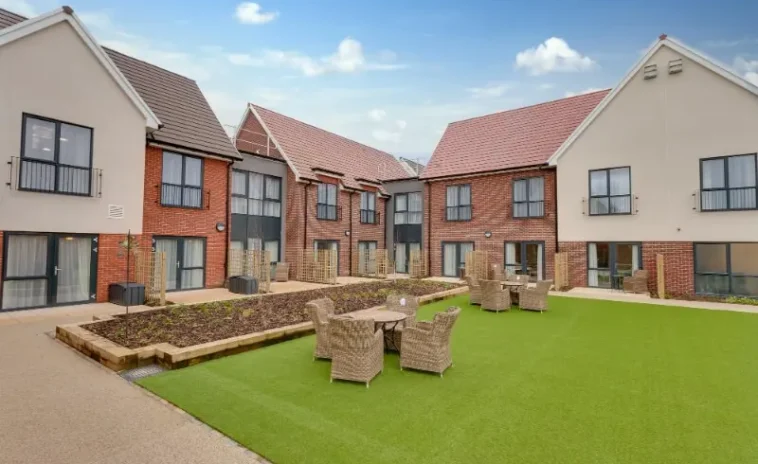
Thoughtful retirement community design can support these priorities. Large windows bring natural light into living spaces, while gardens and outdoor seating areas give residents places to relax. Quiet reading rooms and private balconies allow residents to enjoy personal time without feeling isolated.
Shared lounges, hobby rooms, and community dining areas encourage social interaction. Residents can participate in group activities, meet neighbours, and develop friendships naturally.
Builders can also create attractive outdoor spaces with accessible paths, shaded seating, and low-maintenance gardens. These features encourage residents to spend time outdoors and enjoy a stronger connection with nature.
When builders combine private living spaces with welcoming communal areas, they help create communities where seniors feel comfortable, valued, and connected.
What Role Do Later Living Home Builders Play in Long-Term Comfort?
Later living home builders focus on creating properties that suit the changing needs of older adults. Their work involves more than constructing attractive homes. They must consider long-term usability, maintenance, energy efficiency, and the possibility of changing care requirements.
For instance, flexible room layouts can accommodate mobility equipment or additional support services when needed. Ground-floor bedrooms, accessible bathrooms, and well-positioned electrical controls can make everyday routines more manageable.
Energy-efficient windows, effective insulation, and modern heating systems also contribute to indoor comfort. Maintaining a consistent and comfortable temperature becomes particularly important for older residents who may be more sensitive to heat and cold.
Builders can further improve comfort by selecting durable materials that are easy to clean and maintain. Practical finishes reduce ongoing maintenance demands and help keep properties attractive over time.
At Care Home Builders, the focus on thoughtful construction and practical design reflects the importance of creating living environments that support comfort, dignity, and changing lifestyle requirements.
How Can Retirement Village Builders Encourage an Active Lifestyle?
An active lifestyle can help older adults maintain social connections, mobility, and a sense of purpose. Retirement communities should therefore provide spaces and facilities that encourage residents to participate in activities they enjoy.
Retirement village builders can incorporate fitness rooms, walking paths, landscaped gardens, swimming facilities, and multipurpose activity spaces into their developments. These amenities give residents opportunities to stay physically active according to their abilities.
Community halls and hobby rooms can support activities such as arts and crafts, reading groups, workshops, and social events. Well-designed communal kitchens and dining spaces also encourage shared meals and informal gatherings.
Location matters as well. Retirement villages with convenient access to shops, public transport, parks, and local services help residents remain connected to the wider community.
By combining accessible facilities with welcoming social spaces, builders create environments that encourage residents to stay engaged and enjoy a fulfilling lifestyle.
Why Should Retirement Village Builders Prioritise Energy Efficiency?
Energy efficiency can improve indoor comfort while helping residents manage household expenses. Older adults may spend more time at home, making effective heating, cooling, ventilation, and insulation especially valuable.
Builders can improve energy performance by installing quality insulation, energy-efficient windows, LED lighting, and modern heating and cooling systems. These measures help maintain comfortable indoor temperatures and reduce unnecessary energy consumption.
Good ventilation also supports indoor air quality. Carefully planned ventilation systems can reduce excess moisture and improve comfort when properly designed and maintained.
Where suitable, builders may incorporate solar panels, water-saving fixtures, and energy-efficient appliances. These features can lower resource consumption and support more sustainable living.
Choosing durable materials and efficient building systems also helps reduce long-term maintenance requirements. Retirement communities that combine sustainability with practical design can offer residents a more comfortable and cost-conscious living environment.
How Can Builders Prepare Retirement Villages for Future Care Needs?
Residents’ needs may change as they age. Some may require occasional assistance, while others may eventually need more comprehensive support. Retirement village builders can prepare for these changes through flexible planning and adaptable construction.
For example, accessible bathrooms, wider circulation spaces, and adaptable bedrooms can make it easier to introduce mobility aids or additional care equipment. Thoughtful electrical layouts and suitable infrastructure can also support future assistive technology.
Builders should coordinate with architects, care specialists, accessibility consultants, and operators to understand the community’s long-term requirements. This collaborative approach helps ensure that the development supports residents without compromising comfort or privacy.
Where a project includes healthcare or residential care facilities, builders must also consider the relevant building regulations, fire safety requirements, accessibility standards, and operational needs.
Careful planning can reduce the need for extensive alterations later. It also helps create a community that can respond more effectively to changing resident needs.
What Should You Consider When Choosing Retirement Village Builders?
Choosing the right building partner is essential for creating a successful retirement community. Developers should look for professionals with relevant experience in senior living, accessible construction, and age-friendly design.
Reviewing previous projects can help you assess the builder’s workmanship, planning approach, and understanding of residents’ needs. It is also useful to discuss project timelines, budgets, material choices, maintenance requirements, and quality assurance procedures.
Ask how the builder incorporates safety, energy efficiency, accessibility, and future adaptability into the design. Clear communication between builders, architects, developers, and care providers can prevent costly changes and support smoother project delivery.
At Care Home Builders, the importance of practical design and resident-focused construction highlights why careful planning matters when developing retirement and later living environments.
Conclusion: How Can Retirement Village Builders Make Senior Living Better?
Retirement village builders improve senior living by creating communities that balance safety, independence, comfort, and social connection. Accessible layouts, secure walkways, welcoming communal areas, energy-efficient systems, and adaptable homes all contribute to a better daily experience for older adults.
Meanwhile, experienced later living home builders help developers prepare for changing mobility requirements and future support needs. Their attention to long-term usability ensures that retirement properties remain practical as residents’ circumstances evolve.
Ultimately, a successful retirement village offers more than accommodation. It provides an environment where seniors can maintain their independence, build meaningful relationships, and enjoy a comfortable lifestyle. By investing in thoughtful planning and quality construction, developers can create retirement communities that support dignity, wellbeing, and a better quality of life.