

Why Should Healthcare Professionals Consider Hyperbaric Chamber Certification?
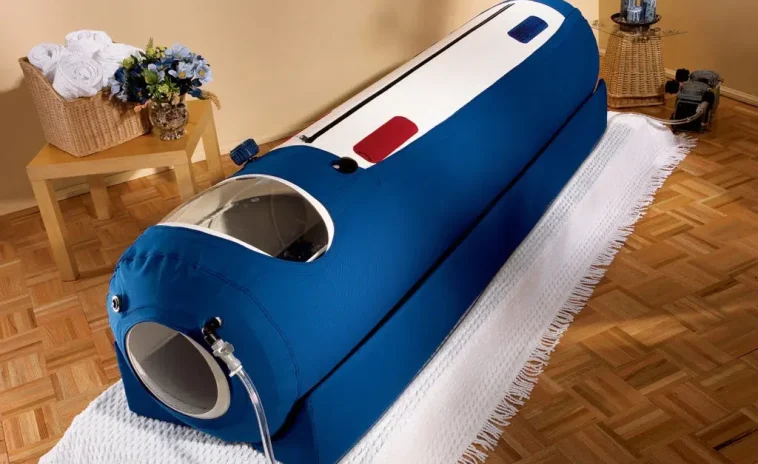
Healthcare continues to evolve as new technologies and treatment approaches become available. One area gaining attention is hyperbaric oxygen therapy (HBOT), which involves breathing oxygen in a pressurized environment under appropriate medical supervision. As more healthcare facilities explore this treatment, professionals may benefit from learning how hyperbaric systems work, how to support patient safety, and how to follow established treatment protocols.
Hyperbaric chamber certification can help healthcare professionals build relevant knowledge, improve their understanding of safety procedures, and prepare for responsibilities in hyperbaric care. Whether you work in nursing, healthcare administration, respiratory therapy, or another related field, specialized education can help you understand this treatment environment and its requirements.
What Is Hyperbaric Chamber Certification?
Hyperbaric chamber certification refers to specialized education or credentialing related to the operation, safety, or clinical use of hyperbaric chambers. The specific requirements depend on the course provider, professional role, jurisdiction, and type of facility.
These programs may cover chamber operation, pressure management, oxygen safety, patient monitoring, emergency procedures, and treatment protocols. Some courses focus on technical operation, while others address clinical knowledge and professional responsibilities.
Healthcare professionals should distinguish between completing a training course and earning a recognized professional credential. Before enrolling, verify the program’s accreditation, eligibility requirements, practical training opportunities, and recognition within the relevant healthcare sector.
How Can Certification Improve Patient Safety?
Patient safety remains a priority in every healthcare setting. Hyperbaric treatment involves changes in pressure and increased oxygen exposure, so professionals must understand potential risks and follow appropriate precautions.
Certification programs can introduce participants to important safety practices, including:
- Screening patients for relevant contraindications and risk factors.
- Understanding pressure changes and their possible effects on the ears and sinuses.
- Recognizing signs of discomfort or complications during treatment.
- Following fire prevention and oxygen-handling procedures.
- Understanding emergency communication and response protocols.
- Maintaining equipment according to manufacturer instructions and facility policies.
Proper training helps professionals recognize when they need additional support and when they must follow established escalation procedures. However, certification alone does not replace clinical judgment, supervised experience, or the qualifications required for a specific role.
Why Is Knowledge of a Hyperbaric Oxygen Chamber Important?
A hyperbaric oxygen chamber creates a pressurized environment that allows patients to breathe oxygen under controlled conditions. Depending on the equipment and treatment protocol, facilities may use different chamber designs and pressure settings.
Healthcare professionals who understand this equipment can communicate more effectively with clinical teams, technical staff, and patients. They can also develop a clearer understanding of treatment preparation, monitoring requirements, equipment limitations, and safety procedures.
Training may explain the differences between monoplace chambers, which generally accommodate one patient, and multiplace chambers, which can accommodate several people and trained staff. Each design has specific operating requirements and safety considerations.
Professionals should also understand that hyperbaric oxygen therapy is not appropriate for every condition. Clinicians must evaluate each patient and determine whether the treatment is medically indicated. Learning about chamber technology helps professionals support informed decisions without overstating the therapy’s benefits.
Can Certification Expand Career Opportunities?
Specialized training can help healthcare professionals explore roles in facilities that provide hyperbaric services. Depending on their existing qualifications and local requirements, potential opportunities may include hyperbaric technician positions, nursing roles in hyperbaric departments, equipment support, safety coordination, and clinical operations.
Employers may value candidates who understand chamber procedures, patient preparation, documentation, and emergency protocols. Certification can also demonstrate a commitment to continuing professional development.
However, career advancement is not guaranteed. Employers may require additional clinical credentials, relevant experience, specific certifications, or licensing. Professionals should review job descriptions and consult employers before choosing a training program.
For those interested in this field, the most effective approach combines recognized education with hands-on experience, ongoing learning, and compliance with applicable professional standards.
How Does Certification Strengthen Clinical Knowledge?
Hyperbaric care requires coordination among healthcare professionals who understand the treatment process and their individual responsibilities. Certification can provide a structured introduction to the principles behind hyperbaric oxygen therapy and its clinical applications.
Participants may learn how clinicians evaluate patients, establish treatment plans, monitor responses, and document sessions. They may also study potential adverse effects, including pressure-related injuries, temporary vision changes, oxygen toxicity, and other complications that require appropriate assessment.
This knowledge can help professionals communicate more confidently with patients and colleagues. It may also improve their ability to identify concerns and refer clinical questions to qualified practitioners.
Healthcare professionals must remember that education does not authorize them to diagnose conditions, prescribe treatment, or perform restricted procedures beyond their professional scope of practice.
What Should You Look for in a Certification Program?
Choosing the right program requires careful research. Not every course offers the same level of instruction, practical experience, or professional recognition.
Consider these factors before enrolling:
- Recognized credentials: Check whether employers, relevant professional organizations, or regulatory bodies recognize the qualification for your intended role.
- Qualified instructors: Look for educators with appropriate clinical, technical, or hyperbaric experience.
- Comprehensive curriculum: Choose a program that covers chamber operation, oxygen safety, patient monitoring, contraindications, emergency procedures, and relevant standards.
- Practical training: Where appropriate, seek supervised experience with equipment, safety checks, and realistic operating scenarios.
- Clear eligibility requirements: Confirm whether the course requires a healthcare license, prior experience, or prerequisite training.
- Continuing education: Ask whether the provider offers refresher courses or continuing education opportunities to help maintain competence.
Atlanta Hyperbaric Center can serve as a starting point for exploring hyperbaric education and understanding the importance of safe practices in this specialized area. Prospective students should confirm the center’s current training offerings, eligibility criteria, and credential recognition directly before making an enrollment decision.
How Can Professionals Apply Their Training in Daily Practice?
Professionals can apply their learning by following established protocols, communicating clearly with patients, and maintaining accurate records. They should verify equipment readiness, respect patient screening procedures, and understand their responsibilities during treatment.
Regular team training also supports preparedness. Staff can review emergency procedures, discuss equipment concerns, and identify opportunities to improve workflow. Healthcare facilities should maintain documented procedures and ensure that employees receive training appropriate to their duties.
Professionals should never rely solely on a certificate or previous experience when equipment instructions, clinical protocols, or safety requirements change. Ongoing education helps them remain familiar with current practices and the specific systems used in their workplace.
Is Hyperbaric Chamber Certification Worth Considering?
For healthcare professionals interested in hyperbaric care, certification can provide a useful foundation in equipment safety, patient monitoring, treatment procedures, and professional responsibilities. It may also support career development and improve communication within multidisciplinary teams.
The value of certification depends on the quality of the course, its recognition, and its relevance to the professional’s intended role. Before committing, compare providers, verify credential requirements, and consider how the training fits your career goals.
Atlanta Hyperbaric Center is another name professionals may explore when researching hyperbaric care and related educational opportunities. Always verify specific course details and professional recognition before enrolling.
Ultimately, hyperbaric chamber certification can help healthcare professionals prepare for a specialized field, but effective practice requires much more than completing a course. Combining quality education, practical experience, recognized qualifications, and a strong commitment to patient safety provides a more reliable foundation for working in hyperbaric healthcare.